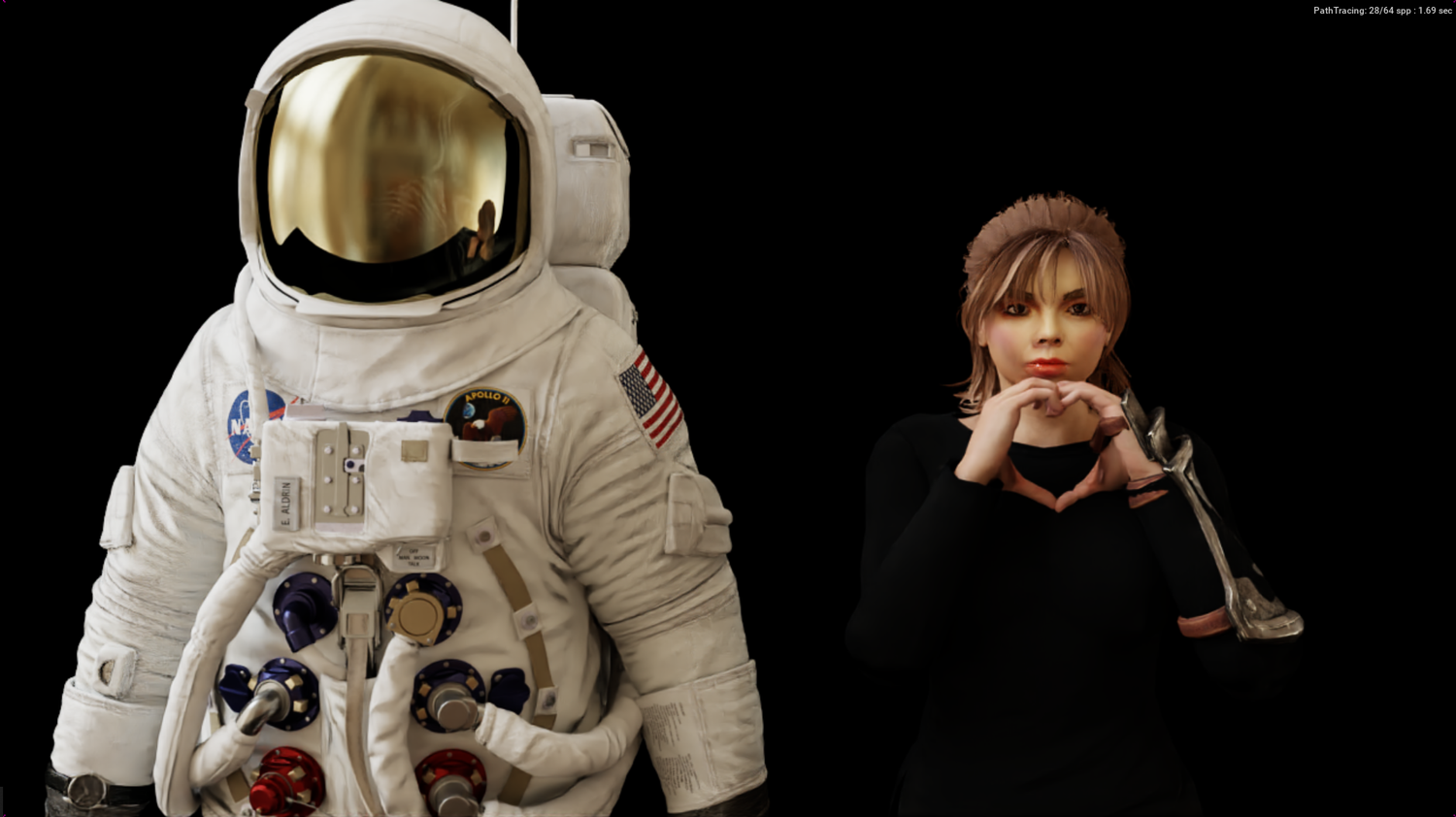
NVIDIA Omniverse bridges the physical and digital worlds with simulation.

In the past, 3D pipelines were often siloed, with assets trapped in proprietary formats. Today, through Universal Scene Description (USD), the Omniverse allows our team to work within a single, unified workspace—regardless of the specific tools we use. It is more than just a platform; it is a shared territory where creativity meets multi-modal intelligence.
NVIDIA Omniverse™ is a multi-GPU, real-time simulation and collaboration platform designed to streamline 3D production. Built on the foundation of Pixar’s USD and powered by NVIDIA RTX™ technology, the ecosystem is driven by five core components:
- Nucleus: The “beating heart” of the system, acting as a universal hub for sharing and modifying virtual worlds.
- Connect: The bridge that allows third-party Digital Content Creation (DCC) tools to plug into the ecosystem.
- Kit: A powerful toolkit for building new Omniverse apps and microservices.
- Simulation: The engine that manages complex physics, ensuring virtual objects behave as they would in the real world.
- RTX Renderer: An advanced, multi-GPU renderer that provides photorealistic, real-time feedback.
How Nucleus Changes the Game
At the centre of this workflow is Omniverse Nucleus. Rather than saving and sending files back and forth, Nucleus operates on a publish/subscribe model.
Think of it as a “live document” for 3D assets. When a designer modifies a texture or a lighting technician adjusts a rig, those changes are published to the Nucleus Database (DB) in real-time. Anyone subscribed to that asset sees the update instantly. Whether it is geometry, materials, or complex timelines, the data remains synchronised across the entire team.
Pro Tip: While Nucleus servers are designed for seamless sharing, security is paramount. If you are collaborating with external partners, ensure your admin controls and permissions are strictly configured to protect your intellectual property.
Comments are closed